History of Strappy Heels
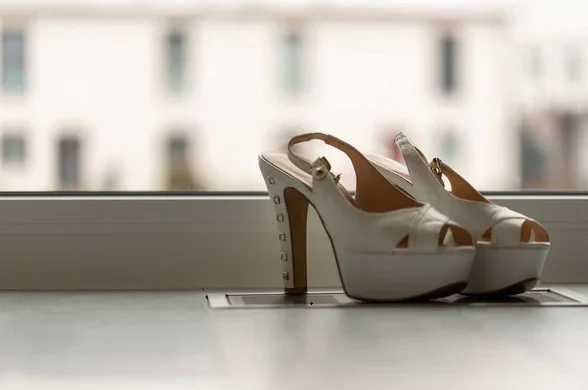
The history of strappy heels dates back to Ancient Egypt, where both men and women wore sandals with straps that wrapped around their feet and ankles. The Greeks and Romans also wore strappy sandals, often embellished with gold and other precious materials, as a symbol of wealth and status. However, it wasn't until the 20th century that strappy heels became a popular fashion accessory.
In the 1920s, the flapper era brought about a new fashion trend that embraced shorter hemlines and more daring styles. Strappy heels were introduced as a way to accentuate the legs and add a touch of glamour to the new, modern look. The heels were often made of leather or satin and featured thin, delicate straps that wrapped around the foot and ankle.
In the 1930s, strappy heels continued to be popular but began to evolve. The straps became wider and more intricate, often featuring intricate designs and embellishments such as bows and rhinestones. The heels themselves also became higher, with some reaching up to four inches in height.
During World War II, fashion took a back seat to practicality as rationing and shortages made it difficult to produce elaborate shoes. Strappy heels were still around, but they were simpler and more modest in design. Instead of elaborate embellishments, they often featured basic straps and a lower heel height.
In the 1950s, strappy heels made a comeback as Hollywood starlets began to wear them on and off the screen. Marilyn Monroe was often seen wearing strappy heels in her films, and her iconic white dress from The Seven Year Itch was paired with strappy white heels. The heels of this era were more sophisticated and elegant, often featuring intricate designs and higher heel heights.
The 1960s brought about a new era of fashion, and strappy heels evolved once again. With the rise of the miniskirt, heels became even higher, and straps became more minimalistic. Instead of intricate designs, the focus was on simplicity and minimalism.
In the 1970s, strappy heels took on a bohemian feel, with chunky wooden heels and leather straps becoming popular. The platform heel also became popular during this time, adding height and comfort to the strappy heel design.
The 1980s saw the rise of the stiletto heel, and strappy heels became even more daring and sexy. The straps became thinner, and the heels reached new heights, with some reaching up to six inches. Strappy heels were often paired with bright colors and bold prints, making them a statement piece in any outfit.
In the 1990s, strappy heels became more minimalist, with simple leather straps and lower heel heights. This minimalistic approach continued into the early 2000s, with strappy heels becoming a staple in every woman's wardrobe.
Today, strappy heels come in a variety of styles, from delicate and feminine to bold and daring. They are often paired with dresses and skirts, but also look great with jeans and trousers. Their versatility and timeless style make strappy heels a must-have for any fashion-conscious woman.
评论
发表评论